
Roman Coin Sparks Interest Among Enthusiasts | Is It Authentic?
Edited By
Elena Rossi
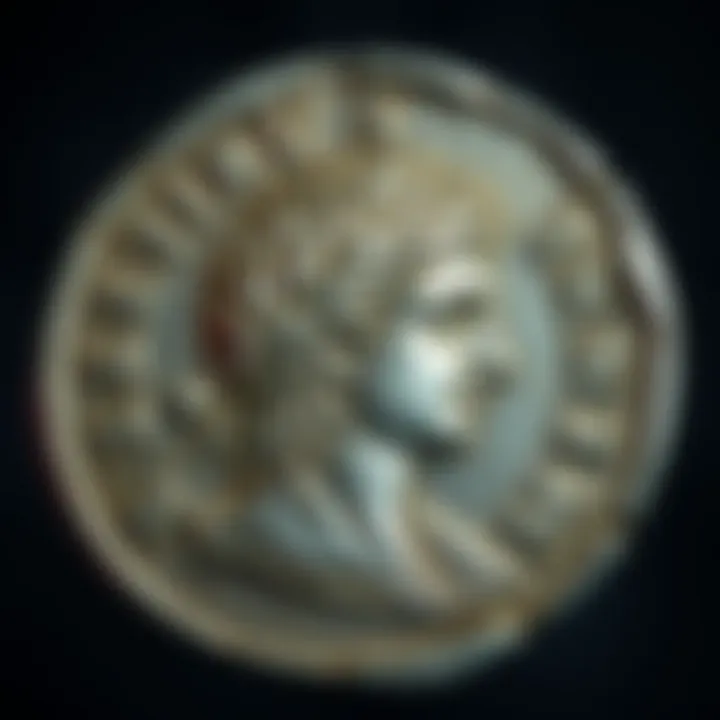
A growing interest in ancient coins has emerged, particularly surrounding a silver denarius purportedly issued by Caius Renius in 138 BC. The recent XRF test showing its composition stirred conversation among collectors, with purchases often causing debates on legitimacy and value.
The Background of the Coin
A recent post on a user board revealed details about a silver denarius believed to be from the Roman Republic era. The coin reportedly analyzed as 98.7% silver, 0.4% copper, 0.4% lead, and 0.3% gold. The collector bought it for $70 CAD, expressing comfort with the risk involved in the purchase. This sparked interest among other people, some questioning the coin's authenticity while others supported the find.
Opinions from the Community
Comments reflect a positive sentiment about the purchase, with several enthusiasts confirming the coin's legitimacy:
"Looks good to me, and looks like you paid a great price!"
Another commenter pointed out, "That is a denarius of Lucius Iulius Bursio."
Others echoed these sentiments, with one noting, "Yep, Bursio (see legend on reverse). Looks legitimate. Good price, enjoy!"
These endorsements highlight the community's excitement over what they consider a solid buy.
Key Themes Emerging from Discussions
Authenticity Concerns: The debate hinged on whether the coin was truly issued by Caius Renius. Several commenters identified it as belonging to Lucius Iulius Bursio instead, illustrating how details matter in numismatics.
Market Perception: Many in the comments agreed that the purchase price was quite fair, suggesting a potential undervaluation of similar coins in the market.
Collector Sentiment: The positive feedback reinforces a shared enthusiasm within the coin-collecting community, which is vital for new collectors looking to make informed decisions.
Key Insights
▷ 98.7% silver content confirmed by XRF test
▷ Community feels purchase price is justified
▽ Buyers caution against potential fakes
Interesting questions remain: What impact will the increasing interest in ancient coins have on the market prices of similar items? As more people dive into coin collecting, will we see a rise in counterfeit operations?
Overall, the excitement captured in the discussions serves as a reminder of the thriving community around coin collecting and the value it holds for enthusiasts.
Shifting Currents in Coin Collecting
Experts estimate a strong chance that the market for ancient coins, especially items like the Roman denarius, will continue to grow rapidly. As more people engage with this hobby, it could lead to increased demand, which might drive up prices for genuine collectibles significantly in the next few years. Additionally, as interest surges, the threat of counterfeit products could escalate, pushing experts and community members to innovate new authentication methods and resources. It’s likely we’ll see more technology integrated into coin analysis, strengthening community trust and bolstering purchases.
From Vinyl to Virtual: A Collecting Evolution
Consider the vinyl record resurgence of the early 2010s. As music enthusiasts revived their passion for analog, new generations of collectors emerged, igniting both excitement and caution in the marketplace. Similar to the current buzz around Roman coins, vinyl led to a bigger division where genuine articles flourished alongside clever fakes. Just as the music industry responded with better sound technology and validation methods, the coin-collecting community may evolve quickly to establish safeguards against forgery, boosting credibility and enhancing the collector experience.